

 Purchase this item and get
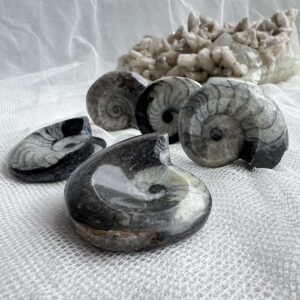
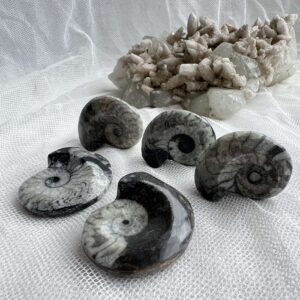
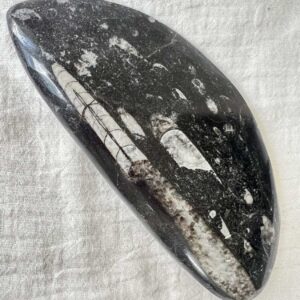
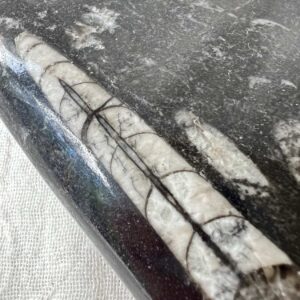
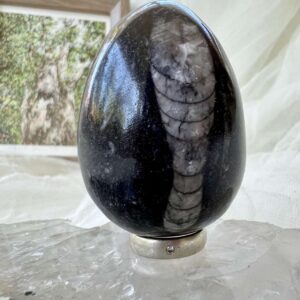
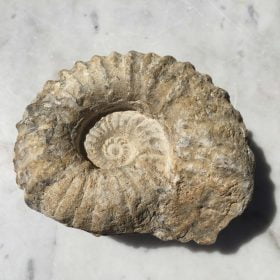
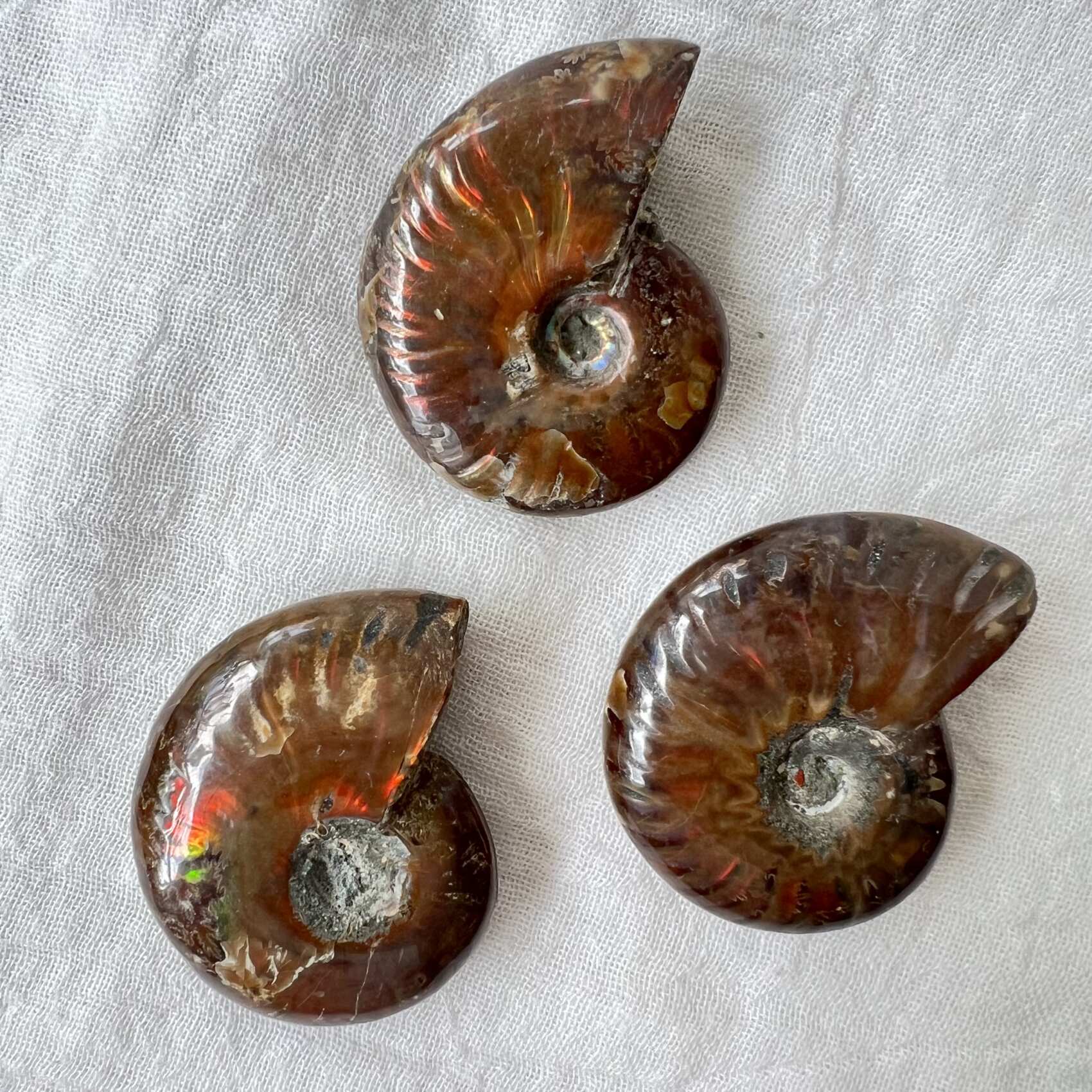
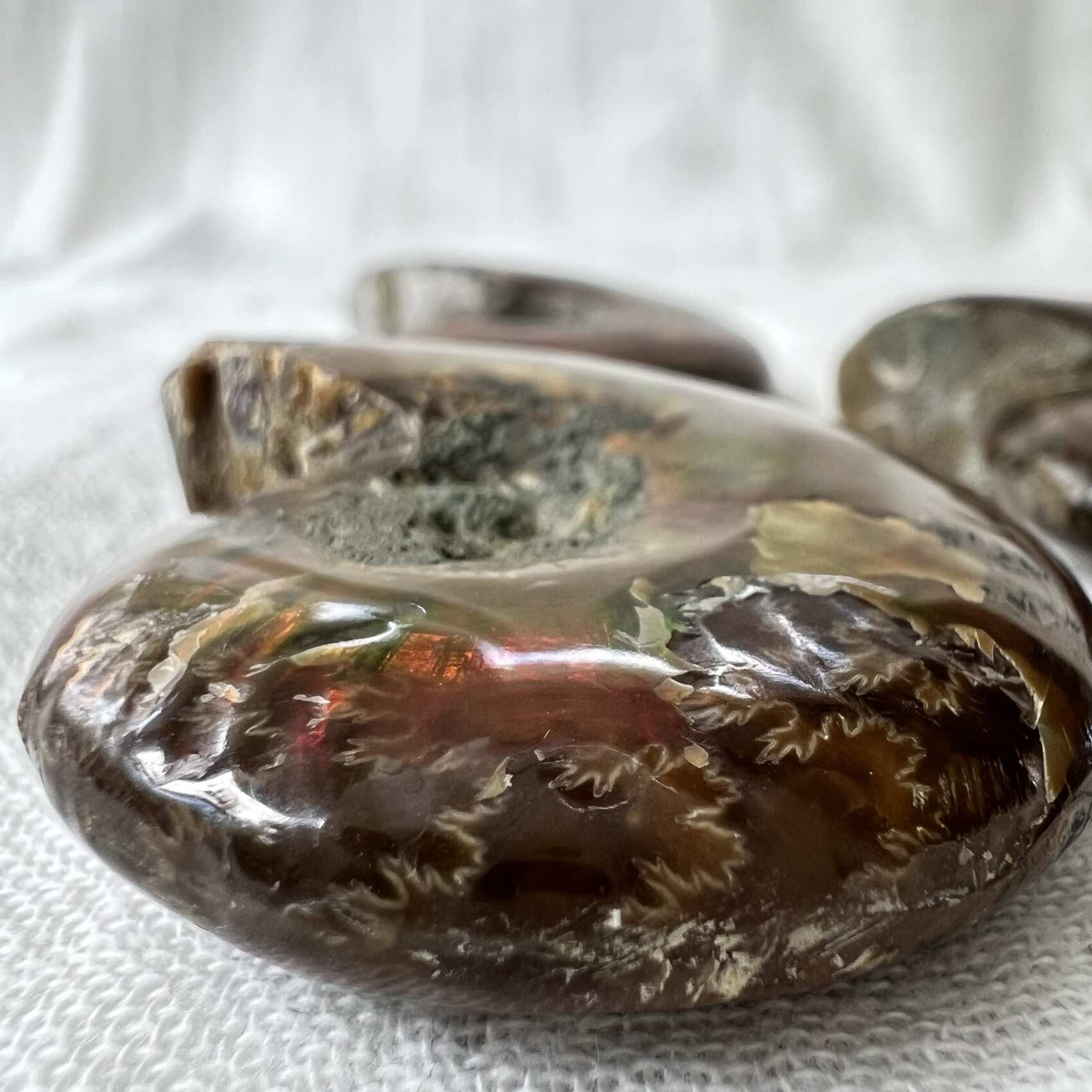
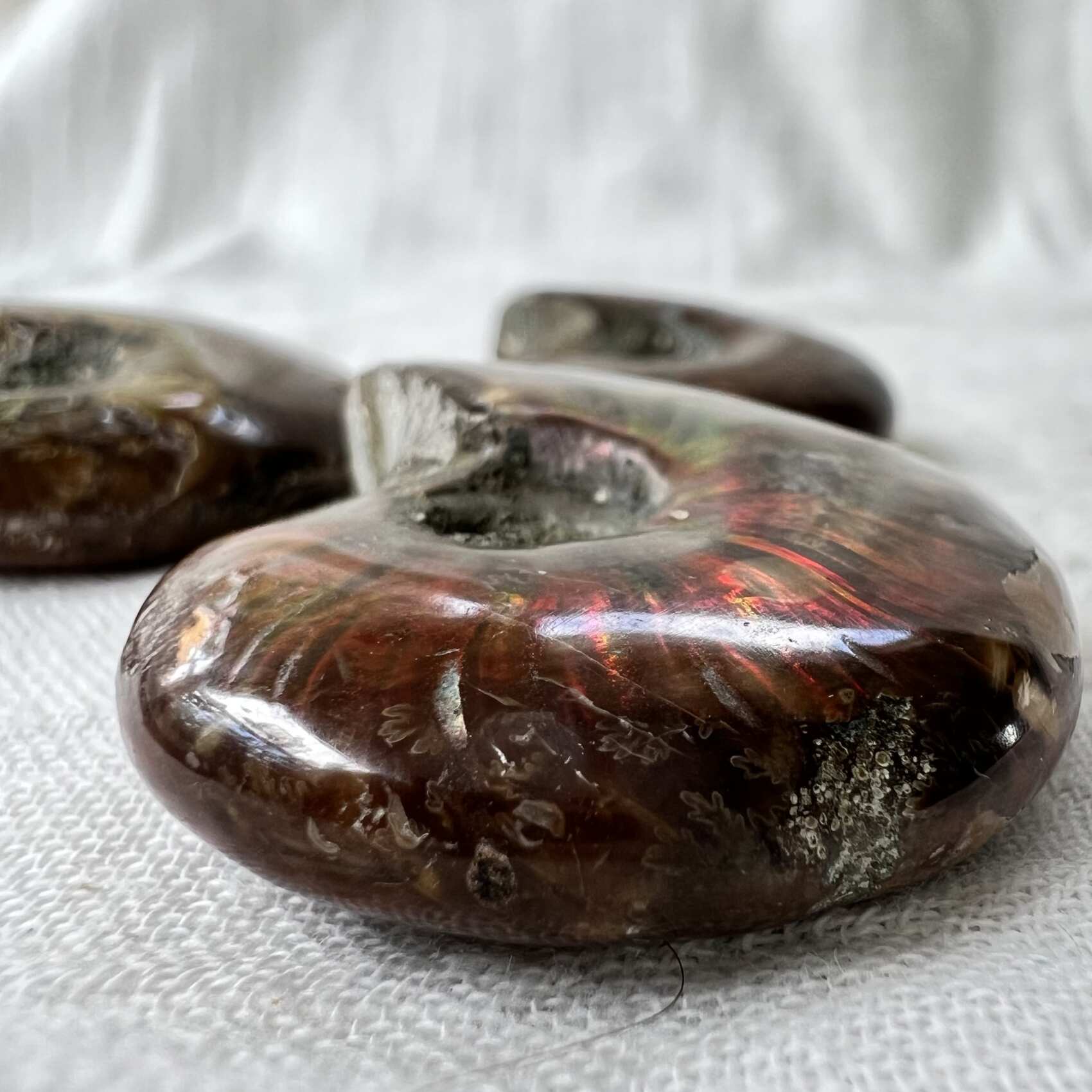
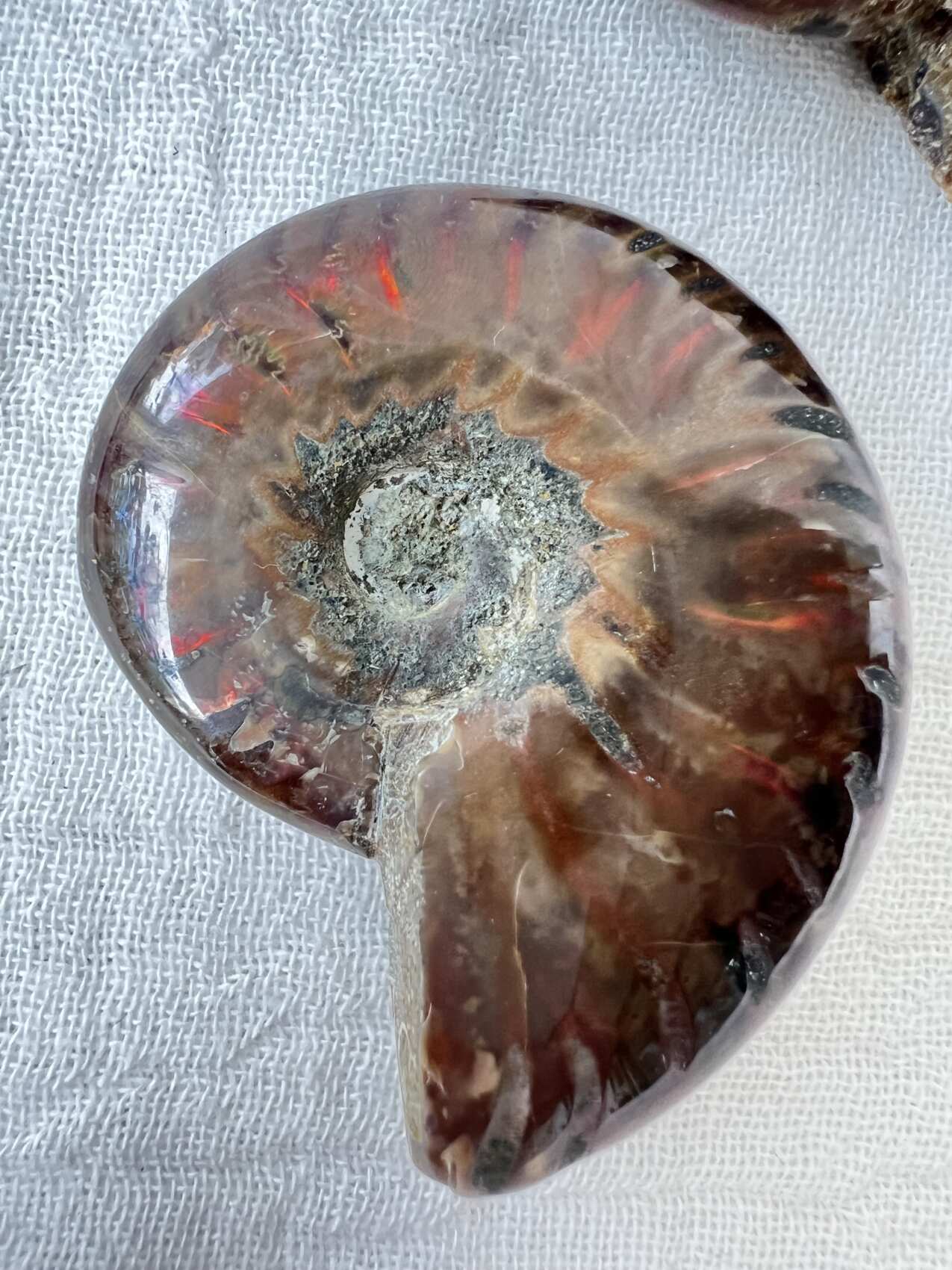
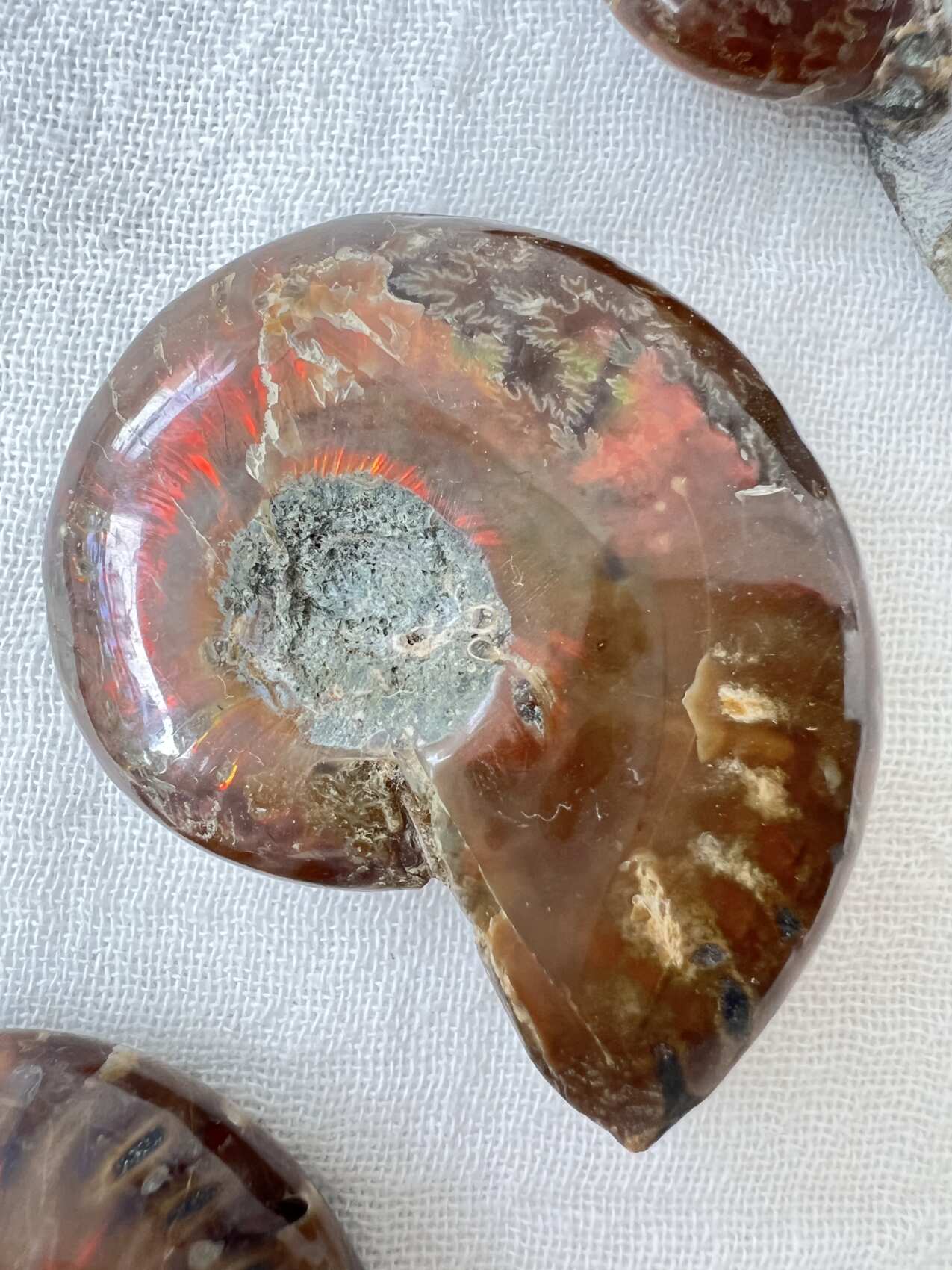
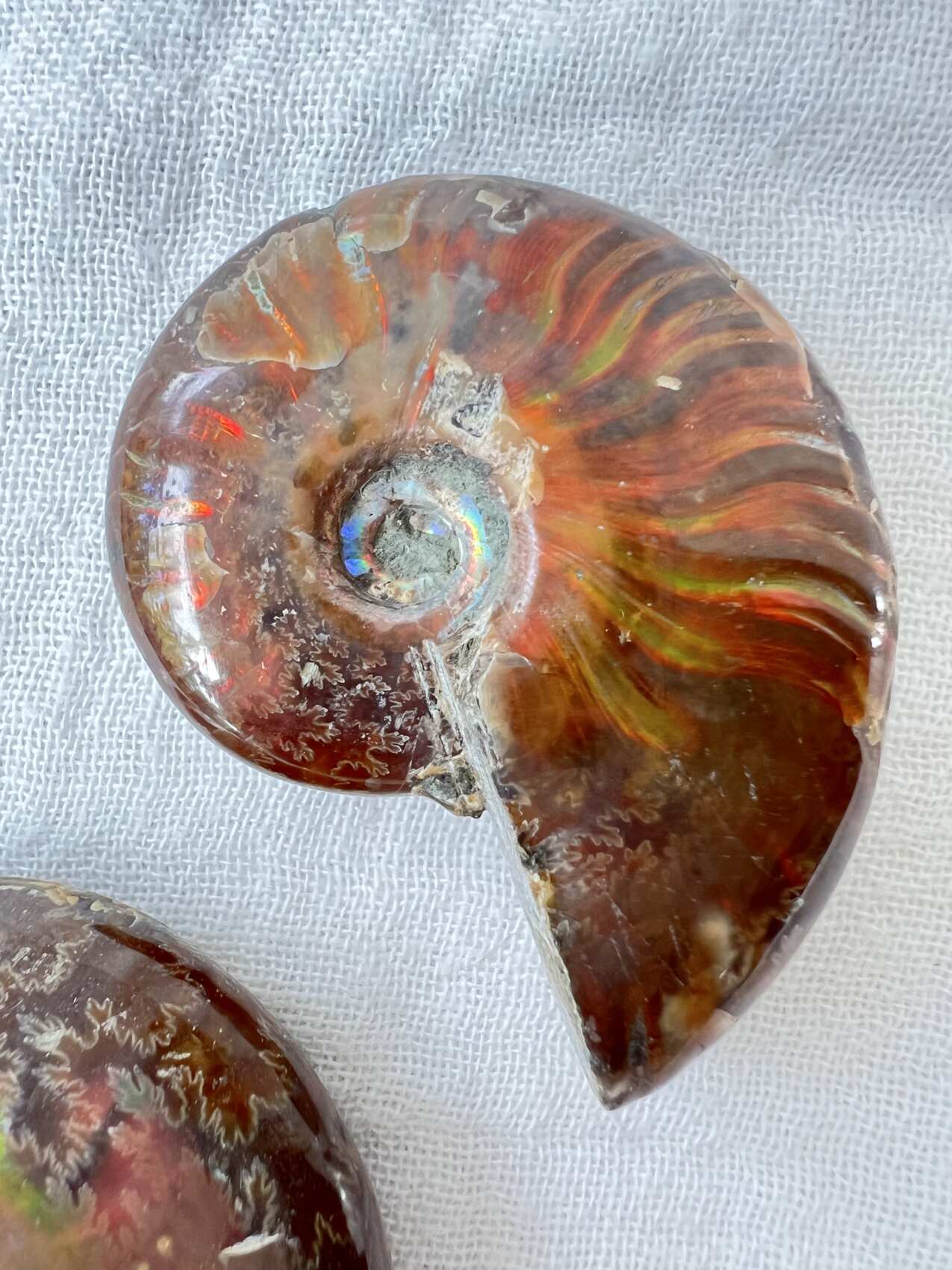
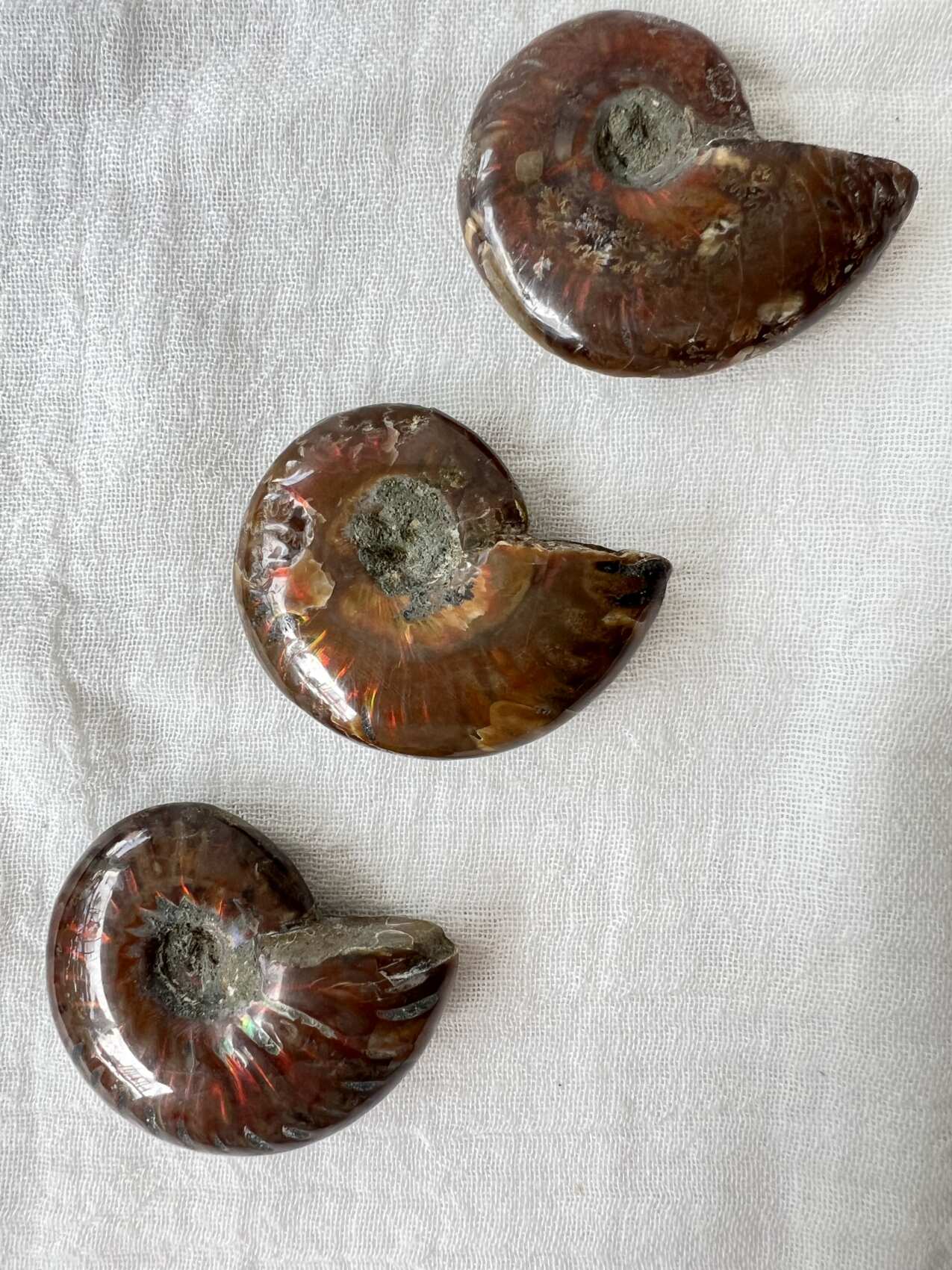
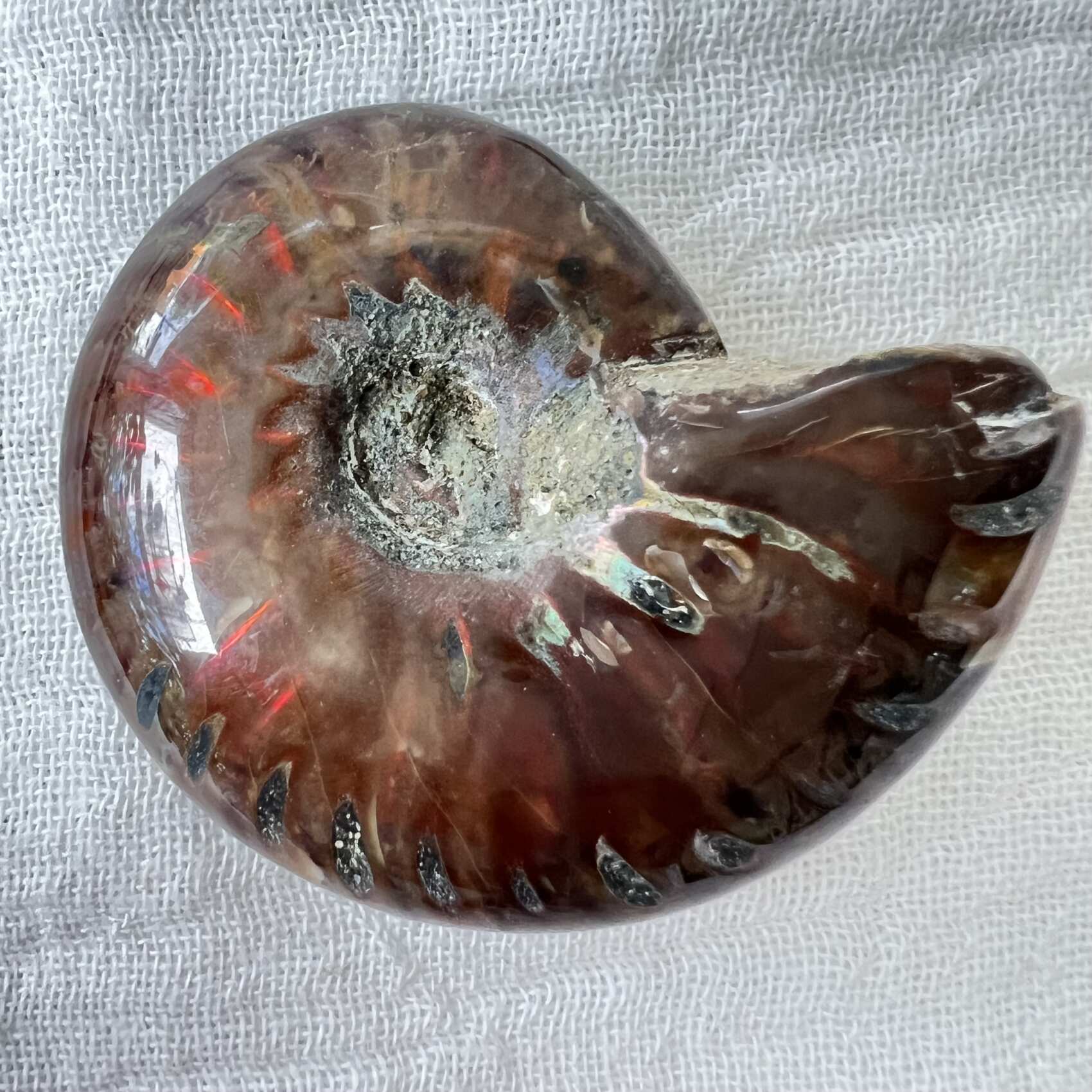
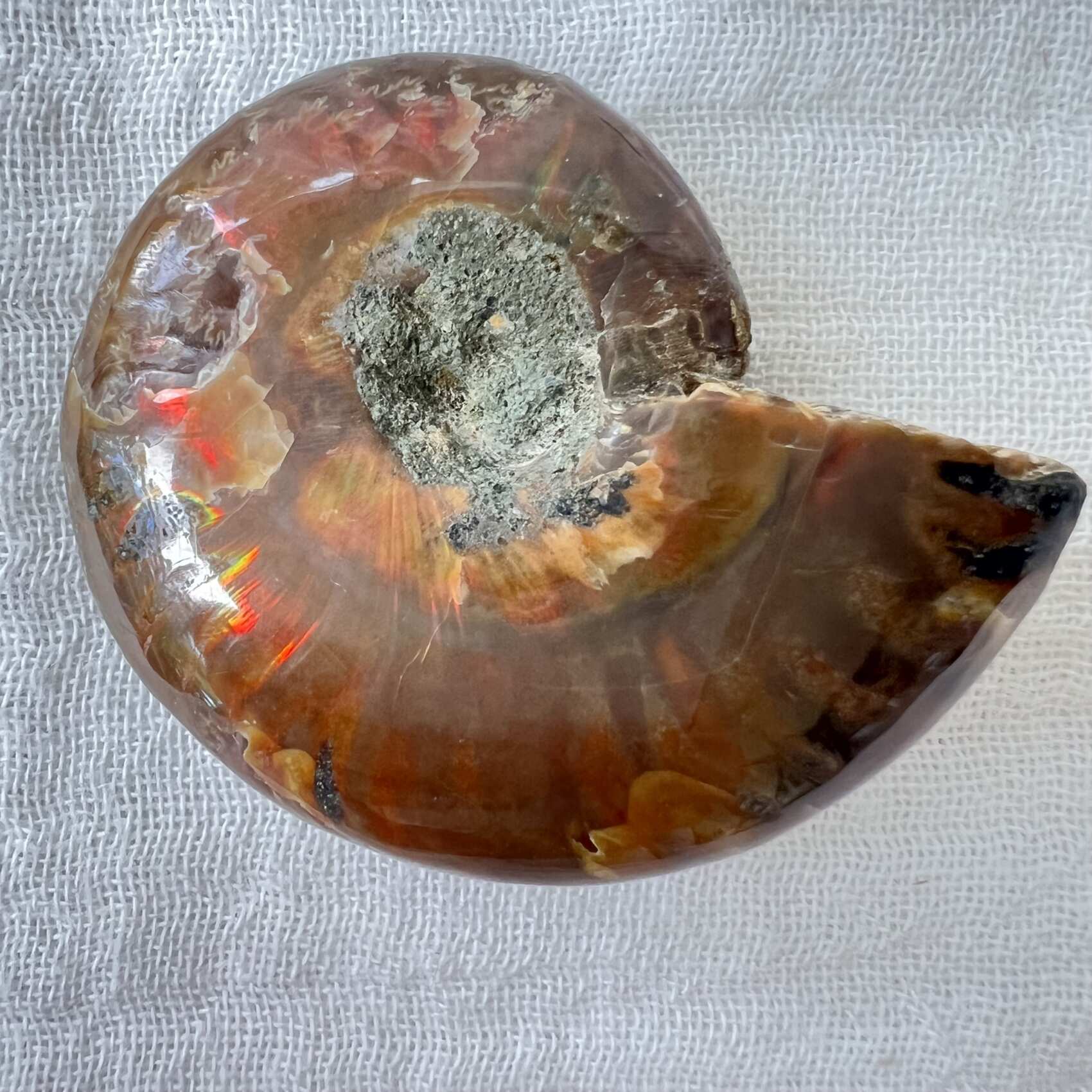
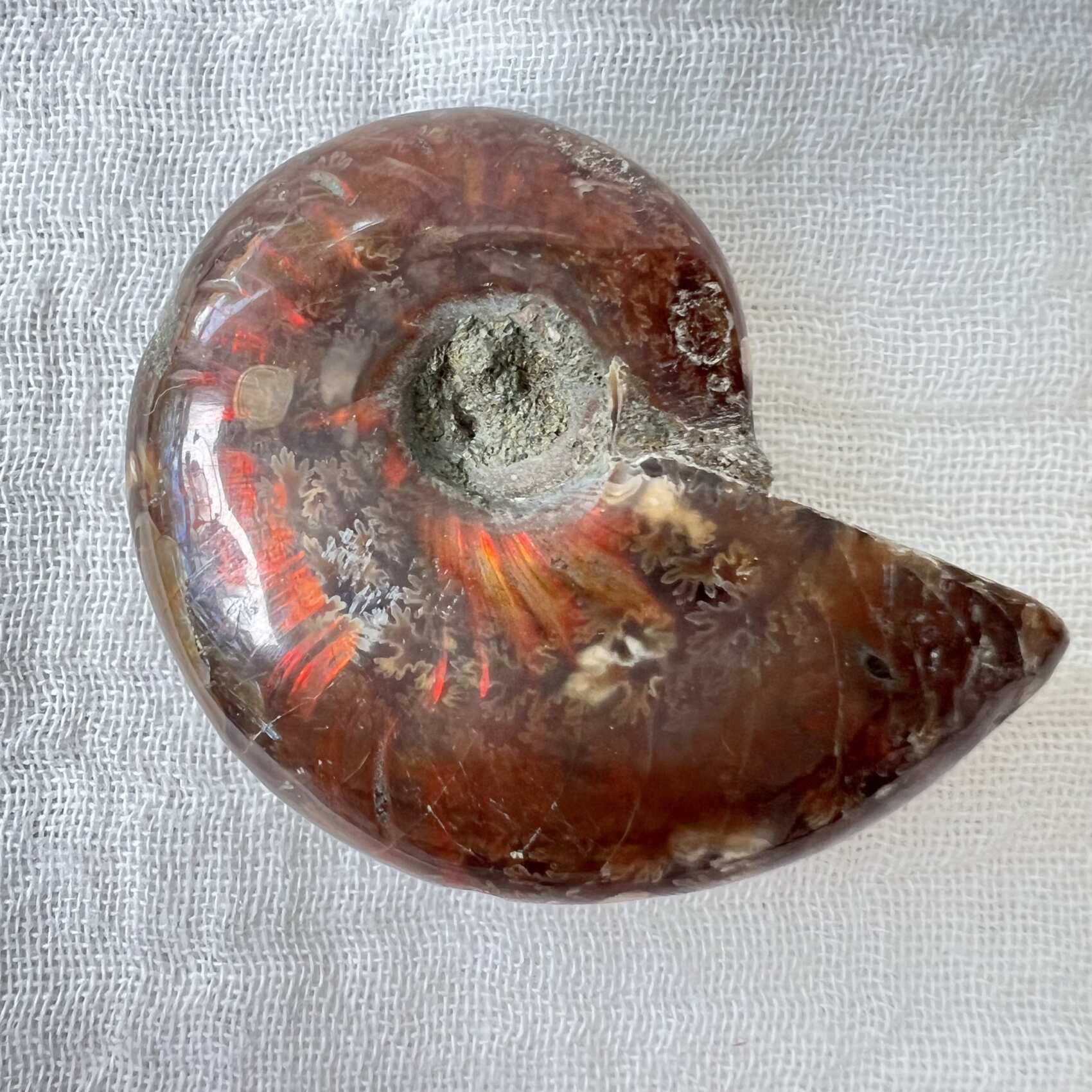
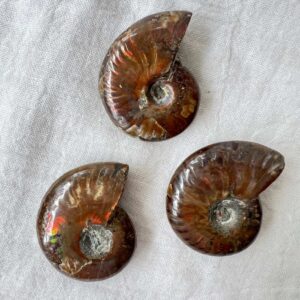
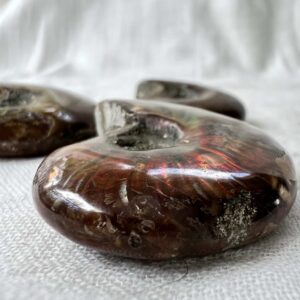
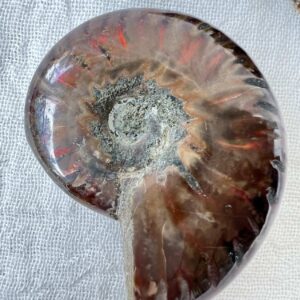
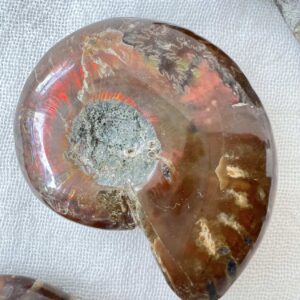
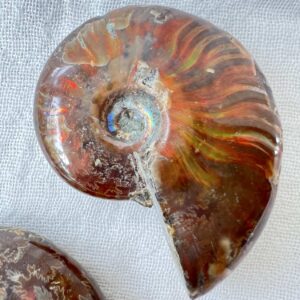
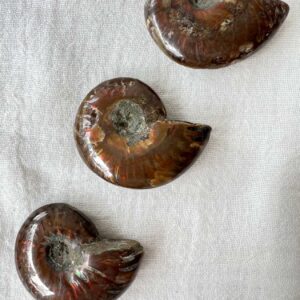
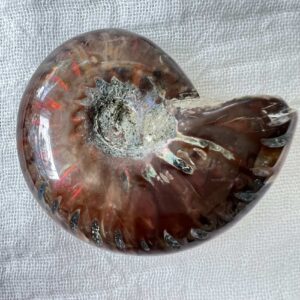
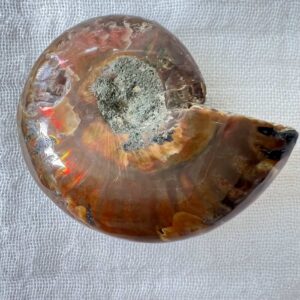
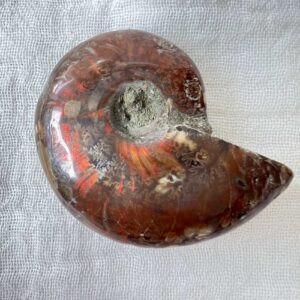
 Ammonite
True ammonites became extinct at the end of the Cretaceous period around 66 million years ago, as part of the mass extinction that included most species on Earth, thought to have been caused by a meteorite. They date from the early Jurassic around 201 mya, while other genus of ammonites date from 450 mya.
They are a separate sub-class of cephalopod and although superficially similar to modern nautilus, they are actually more closely related to the soft bodied coleoids such as squid.
They reproduced once in a lifetime, with the female much larger than the male. Each egg that hatched contained a protoconch or tiny shell. It is thought that the eggs and juveniles floated together near the sea surface.
Ammonites controlled their depth underwater with a thin, tubular structure called a siphuncle, which ran along the outer rim of the shell, from the oldest inner chamber to the live creature in the outermost cavity and managed buoyancy via the volume of gases in their shell chambers. They would have moved with the largest chamber to the bottom, the opposite way that scientists have traditionally illustrated and displayed them.
The name is a reference to the Egyptian God, Amun and the ram’s horns on his head.